Introduction
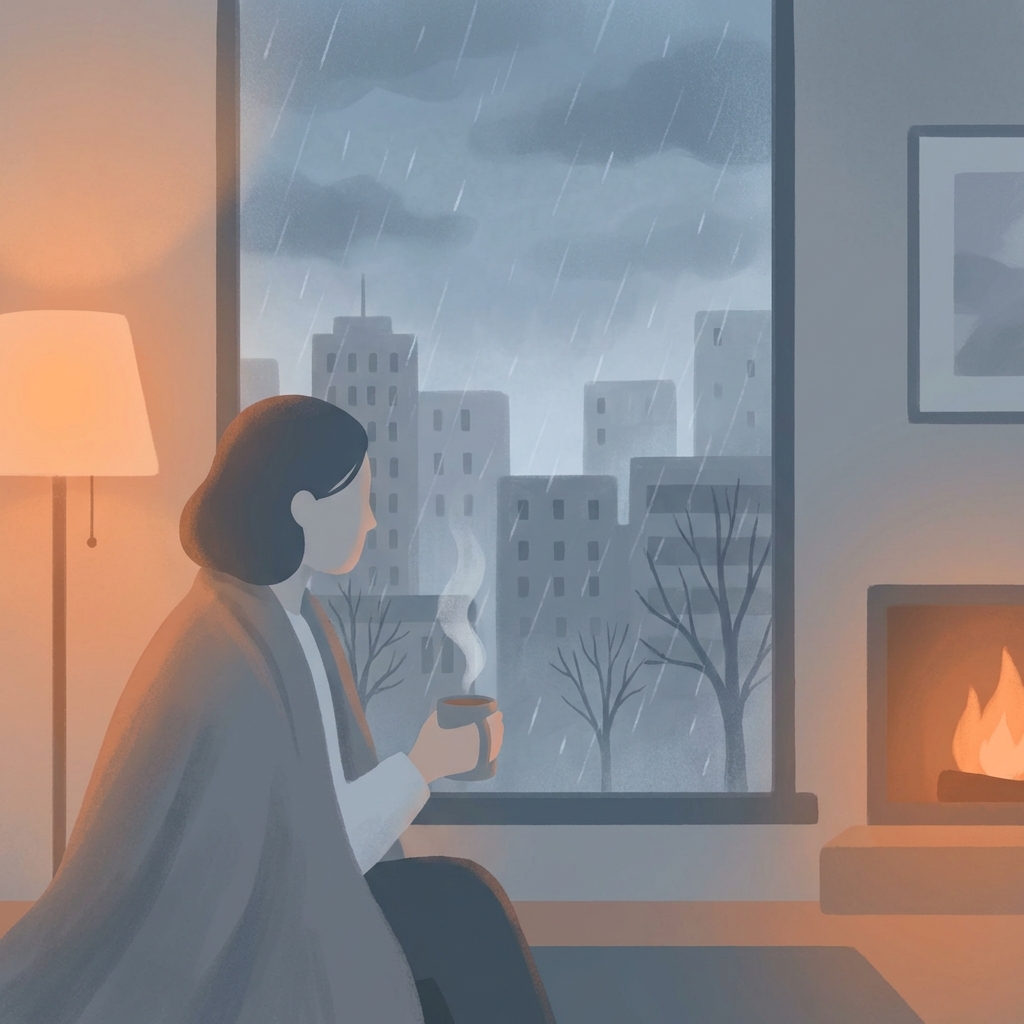
Blue Monday 2026 is here, and I’m going to be completely honest with you: I woke up this morning, looked at the calendar, and immediately wanted to crawl back under my duvet.
It’s January 19, 2026, and according to some fancy equation involving the weather, debt levels, and the time since our failed New Year’s resolutions, it’s officially “Blue Monday.” The “depressing” day of the year.
But let’s be real for a second. We don’t need a mathematical formula to tell us that January can feel heavy. The holidays are over, the credit card bills are arriving, and those New Year’s resolutions we made two weeks ago are already feeling like a distant memory.
The internet is currently flooded with “hacks” to beat the blues—telling you to buy a sunrise lamp, drink green juice, or force yourself into a 5 AM gym routine. This guide is not that. I’m not here to give you “toxic positivity” or a list of chores. I’m here to offer a human approach to surviving today and the rest of this month without losing your mind.
Table of Contents
- Introduction
- What Exactly is Blue Monday?
- Why It Feels Different in 2026
- The 4-Step Human Survival Framework
- A Mini Case Study: The “Productive” Trap
- Common Mistakes We All Make in January
- Expert Tips for Mental Resilience
- Frequently Asked Questions (FAQ)
- Your Post-Blue Monday Action Plan
- A Final Word of Encouragement
What Exactly is Blue Monday?
Let’s start with a bit of a secret: Blue Monday is actually a marketing myth. It was originally “calculated” by a travel company in 2005 to encourage people to book summer vacations. The formula (which includes variables like [W] weather, [D] debt, [T] time since Christmas, and [Q] failing resolutions) isn’t scientifically recognized.
However, even if the “day” is a myth, the “feeling” is very real. Psychologists call it the “post-holiday slump.” Our dopamine levels drop after the December festivities, the days are short and dark, and the financial pressure of the new year begins to settle in.
Recognizing Blue Monday isn’t about wallowing in sadness; it’s about acknowledging that it is okay to feel slightly “off” during this transition period. You aren’t “failing” at the new year; you are simply adjusting to it.
Why It Feels Different in 2026
In 2026, we are living in a world that is faster and more digital than ever before. We are constantly bombarded by “Year in Review” videos and “2026 Goals” posts on social media. The pressure to “hit the ground running” on January 1st has reached an all-time high.
Furthermore, economic pressures in 2026—from inflation to the evolving job market—mean that current debt levels are a significant source of anxiety for many. When you combine digital burnout with financial stress and the physiological effects of winter, it’s no wonder Blue Monday feels particularly heavy this year.
This year, the goal isn’t just to “survive” the day—it’s to disconnect from the noise and reconnect with what actually makes you feel human and grounded.
The 4-Step Human Survival Framework
Instead of a 20-step lifestyle overhaul, I want you to focus on these four simple, human-centric steps Today.
1. Lower the Bar (Aggressively)
If you had a list of 10 things to do today, cut it to three. If you were going to cook a healthy meal but feel exhausted, order in or have a sandwich. The world will not end if you are 70% as productive as usual today. Your mental health is worth more than a checked box on a to-do list.
2. Seek “Micro-Connections”
Isolation is the fuel for the blues. You don’t need to go to a party. Just call a friend for 10 minutes, text someone you haven’t spoken to in a while, or even just have a brief conversation with the person making your coffee. These small human interactions trigger the release of oxytocin, which naturally combats stress.
3. The 10-Minute Movement Rule
Don’t think about “working out.” Think about “changing your state.” Walk outside for 10 minutes. Do one song’s worth of stretching. The goal isn’t fitness; it’s telling your brain that your body is still moving. Sunlight, even on a cloudy day, helps regulate your circadian rhythm and improves mood.
4. Digital Detox After 7 PM
The 2026 digital landscape is designed to keep you scrolling. Tonight, put your phone in another room by 7 PM. Read a physical book, listen to a podcast, or just sit in silence. Stop comparing your “behind-the-scenes” with everyone else’s “highlight reel” for just one evening.
A Mini Case Study: The “Productive” Trap
Last year, my friend Leo decided to “beat” Blue Monday by scheduling his most intense deep-work session of the year on that day. He planned to fast for 24 hours, go to the gym twice, and finish a 50-page report.
By 2 PM, he had a massive headache, had accomplished almost nothing on the report, and felt like a complete failure. Because he set the bar so high, the inevitable dip in energy felt like a character flaw rather than a natural biological response.
This year, Leo took a different approach. He scheduled his hardest tasks for later in the week, took a long lunch break to walk his dog, and spent the evening watching a movie he loved. He ended the day feeling rested and, ironically, far more prepared to be productive on Tuesday.
Common Mistakes We All Make in January
- The “All-or-Nothing” Resolution Mindset: Thinking that because you missed the gym on January 12th, your entire year is “ruined.”
- Overspending for a Dopamine Hit: Buying things you don’t need to feel a temporary lift, which only adds to your debt-stress in February.
- Ignoring Physical Signals: Masking exhaustion with excessive caffeine instead of actually resting.
- Comparing Your Journey: Looking at “Bio-hackers” on social media and feeling inferior because you don’t have a 12-step morning routine.
- Suppressing Rather Than Acknowledging: Forcing a smile when you’re actually struggling. It’s okay to say, “I’m having a tough day.”
Expert Tips for Mental Resilience
I spoke with several mental health professionals about navigating the January slump. Here is their best advice for 2026:
Practice “Temporal Distancing” When you feel overwhelmed by the “January gloom,” ask yourself: “How will I feel about this day in three months?” Usually, you realize this is a temporary dip, not a permanent state.
Focus on “Hygiene” Basics Often, what we think is a mental health crisis is actually just physical neglect. Are you hydrated? Have you slept 7+ hours? Have you eaten a real meal? Fix the hardware (the body) and the software (the mind) often follows.
Reframe Your Resolutions Instead of “Lose 10kg,” try “Move my body in a way that feels good.” Instead of “Save ₹1,00,000,” try “Review my subscriptions.” Small, actionable goals create “win” momentum that carries you through the month.
Frequently Asked Questions (FAQ)
1. Is Blue Monday actually the most depressing day of the year? No. While many people feel low in January, there is no scientific evidence that one specific Monday is more depressing than any other day. It is a social and marketing construct.
2. Should I see a doctor if I feel low in January? If your feelings of sadness are persistent, interfere with your daily life, or involve thoughts of self-harm, please seek professional help immediately. It could be Seasonal Affective Disorder (SAD) or clinical depression, both of which are treatable.
3. Does light therapy actually work? Yes, many people find that “SAD lamps” (which mimic natural sunlight) help improve their mood during the dark winter months by regulating serotonin and melatonin levels.
4. How can I save money in January without feeling deprived? Focus on “low-cost joy.” A library book, a home-cooked meal with a friend, or a long walk in a park are all free but provide significant mental benefits.
5. What is the quickest way to boost my mood today? Scientific studies suggest that “acts of kindness”—even something as small as giving a genuine compliment to a stranger—are the fastest ways to trigger a dopamine and oxytocin boost in your own brain.
Your Post-Blue Monday Action Plan
- Stop the Guilt: Forgive yourself for whatever you haven’t accomplished yet in 2026. Today is a fresh start.
- Pick One “Small Win”: Do one thing you’ve been procrastinating on (even if it takes 5 minutes). Complete it and then stop.
- Plan a Mid-Winter Reward: Give yourself something to look forward to in early February that doesn’t cost much—a movie night, a small hike, or a visit to a museum.
- Check Your Narrative: Are you telling yourself you’re “lazy,” or are you acknowledging that you’re “human and tired”? Change the story.
A Final Word of Encouragement
You are not a machine. You are a biological being tied to the rhythms of the seasons. Just as trees go dormant in winter to prepare for spring, it is natural for your energy levels to dip in January.
Do not let a marketing formula from 2005 dictate your self-worth. If all you did today was get through the day, you have succeeded.
Spring is coming. The days are already getting longer, one minute at a time. Hang in there, be kind to yourself, and remember: you are much more resilient than you feel right now.